While treading down the path to history, we see an assortment of alliances and betrayals between different countries. Each providing lessons of the shaky nature of political backing.
The commencement of disastrous division and instability rose post cold war, where nations were pressured to pick sides between the United States and Soviet Union, vis-à-vis either capitalism or communism.
Economic sanctions, geopolitical tension and proxy wars left permanent prints on the headlines.
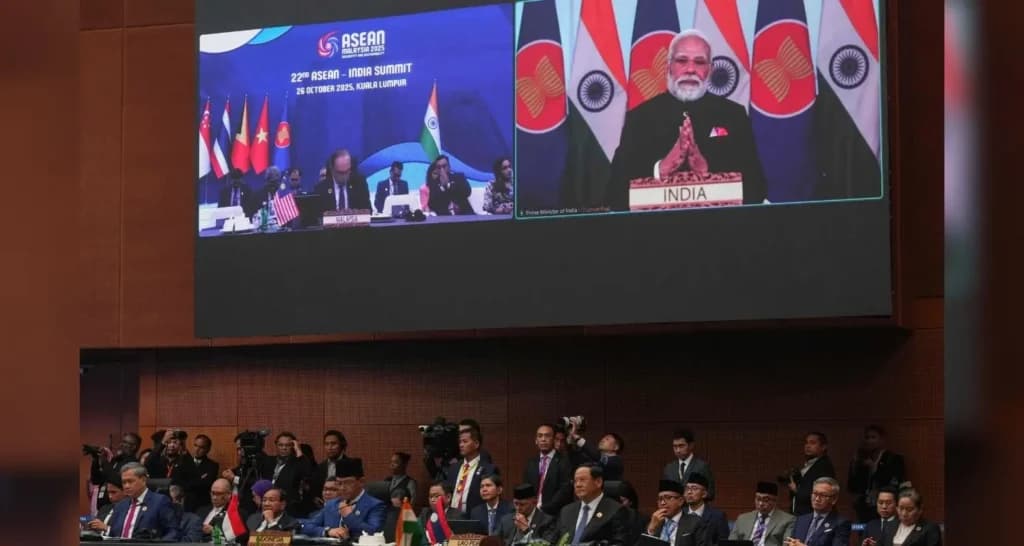
Whilst some nations attempted to stay non-aligned such as India, others were caught in the web of influence between competing superpowers.
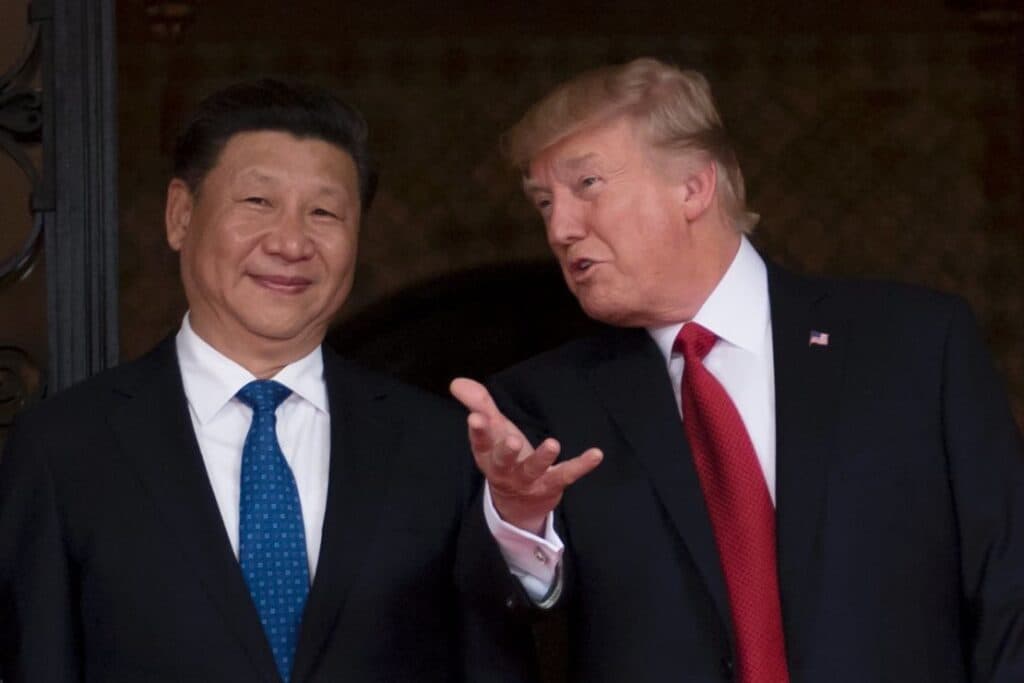
Fast forward today, it’s the same circus with new clowns. The rise of China as an ascending global power has created more room for rivalries to enter and alliances to settle.
Well, these are instances when countries are divided by their power struggles, forcing nations to take sides or face the brunt of blocking the shadow. The Russia-Ukraine war serves as a dramatic reminder of this tightrope.
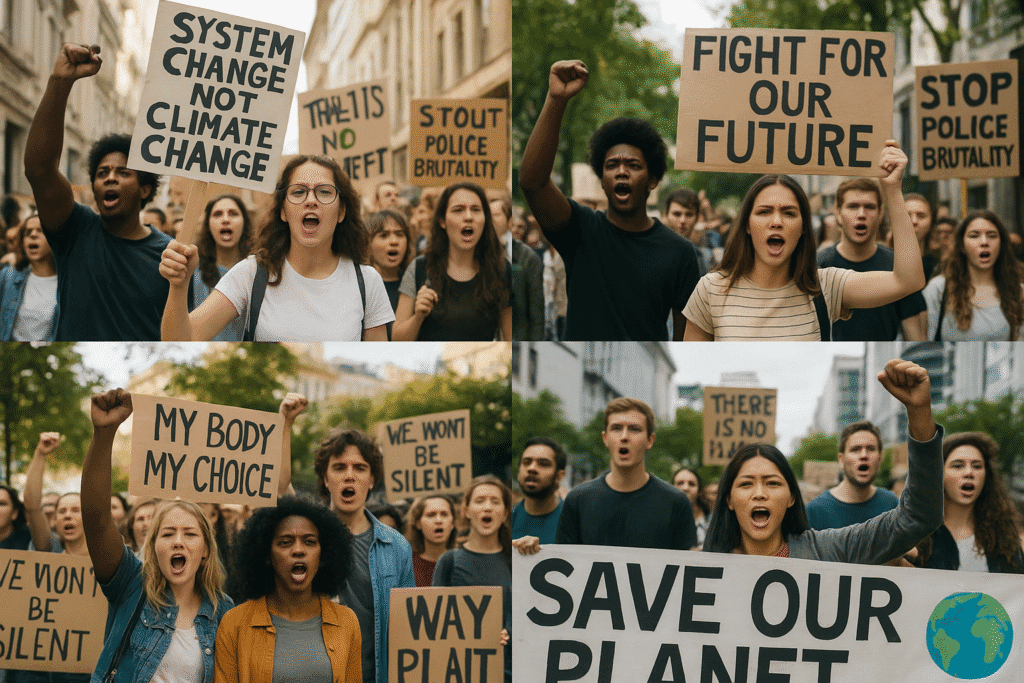
But what happens when such a situation occurs internally ? dragging neighbouring countries into the fray.. Where they drown in dilemma, support the government or the people ?
Shedding light upon the recent crisis in Bangladesh has sent shockwaves and generated a sense of euphoria all over the nation. Yet, there’s India standing by with an air of silence, as if it Is waiting to see if this new polity comes with a user manual.
Should they become Pro-Hasina with, Pakistan and China vying for this statement or otherwise stand with the people, advocating for democratic ideals risking further chaos and instability?
Supporting a government can mean endorsing stability in the nation but at a hefty cost of suppressing the will of the people.
In a world where the lines of domestic and international issues blur like a painting in a rainstorm, the question of whom to support to ensure safety and stability holds a lot of water.
As nations get caught up in this web, they must weigh their choices carefully, considering both immediate and long-term implications.
Ultimately, the path to a sensible settlement in a divided world is nuanced. It often requires balance of pragmatism and principle.
To put it more accurately, the world of geopolitics required a readiness to face the uncertain outcomes of each speech, action and decision.
So mastering the act of supporting and being saved demands vigilance, like a watchful scene, because in this game, the only certainty is well, uncertainty.