

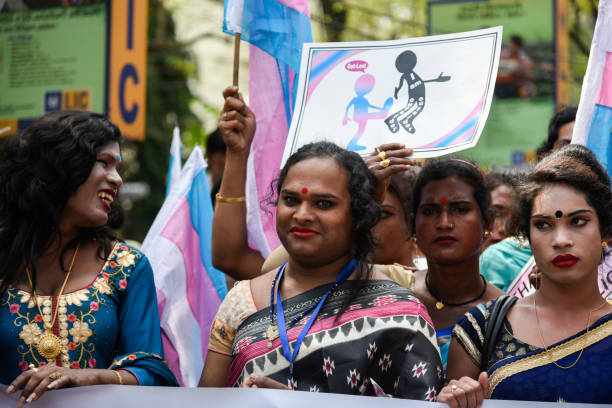
On one hand, the government justifies it as a necessary step to protect the rights of individuals by ensuring that only “genuine” transgender persons can claim this identity. The argument is not entirely baseless—there have been instances where people falsely claim to be transgender, sometimes even using it as a cover to harass others or extort money. From a governance perspective, the state wants regulation, categorisation, and control.
But here’s where the problem begins.
On the other hand, this bill risks becoming deeply exclusionary. Transgender individuals already face severe discrimination—within families, in society, and in accessing education, employment, and housing. Now, by introducing bureaucratic hurdles to “prove” one’s identity, the state is effectively asking some of the most marginalised people to validate their existence through paperwork.
And what happens to those who cannot?
Those who are rejected, or unable to navigate this process, may find themselves in a dangerous limbo—unrecognised, unprotected, and pushed even further to the margins. If they are denied legal recognition, they are left without a category, without rights, and without a place in the system. Where do they go then?
What makes this even more concerning is the timing and priority. At a moment when people are grappling with rising oil prices, economic pressures, and everyday survival, the focus seems to have shifted towards regulating identities rather than addressing material realities on the ground.
The government’s claim that “only genuinely oppressed people should be allowed to identify as transgender” raises a deeper question who decides what “genuine” oppression looks like?
All right reserved